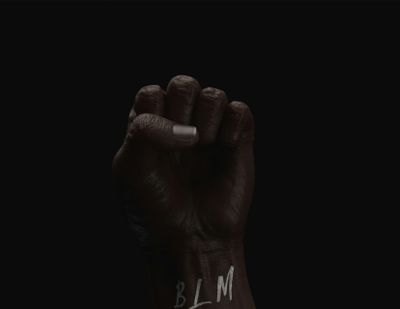
Stealing Ourselves Back

Today, I can tell you the exact day and year I was born. I can choose to celebrate it or ignore it, post about it or keep it quiet. That simple fact separates me from most of my ancestors, whose birthdays were tracked in plantation records and ledgers used to manage their labor, not their existence. What does it mean, then, to belong to a stolen people whose first birthdays on this land were recorded for everyone but them?
To start, let's sit with the term stolen, and what it means to steal. In American society, if you take something that is not yours, you can face a myriad of problems. Depending on the value placed on the item and the circumstances in which the item was taken (gunpoint, knife, etc.), judges can tack on jail time, fines, probation, and possibly restitution if you get caught. No one likes a thief, so if a judge rules harshly, it is often admired; in fact, a judge can practically build a political career on promising to "get back" what was stolen through restitution orders.
In this way, American law is seen as the standard for measuring harm, assigning guilt, and presenting restoration and justice to those who were harmed. Yet, when the harm is slavery itself, the standard falls short, treating generations of stolen African lives as premodern damage beyond the law's reach and imagination. In this legal forgetfulness, enslaved Africans received no restoration or justice for being robbed of time and self-knowledge, losses that their descendants are still struggling to piece together while facing deep resistance and cultural attacks from the very society that claims to honor justice.
I have never gone through the process of uncovering and piecing together ancestral records, yet there must be a deep, reflective, and quiet pride when plantation ledgers act as a roadmap from the soil of this nation back to Africa. That alone is proof that purchase dates found on those ledgers do not mark the beginning of life or a birthday, only the beginning of state-sponsored terror on Black bodies with no justice in sight.
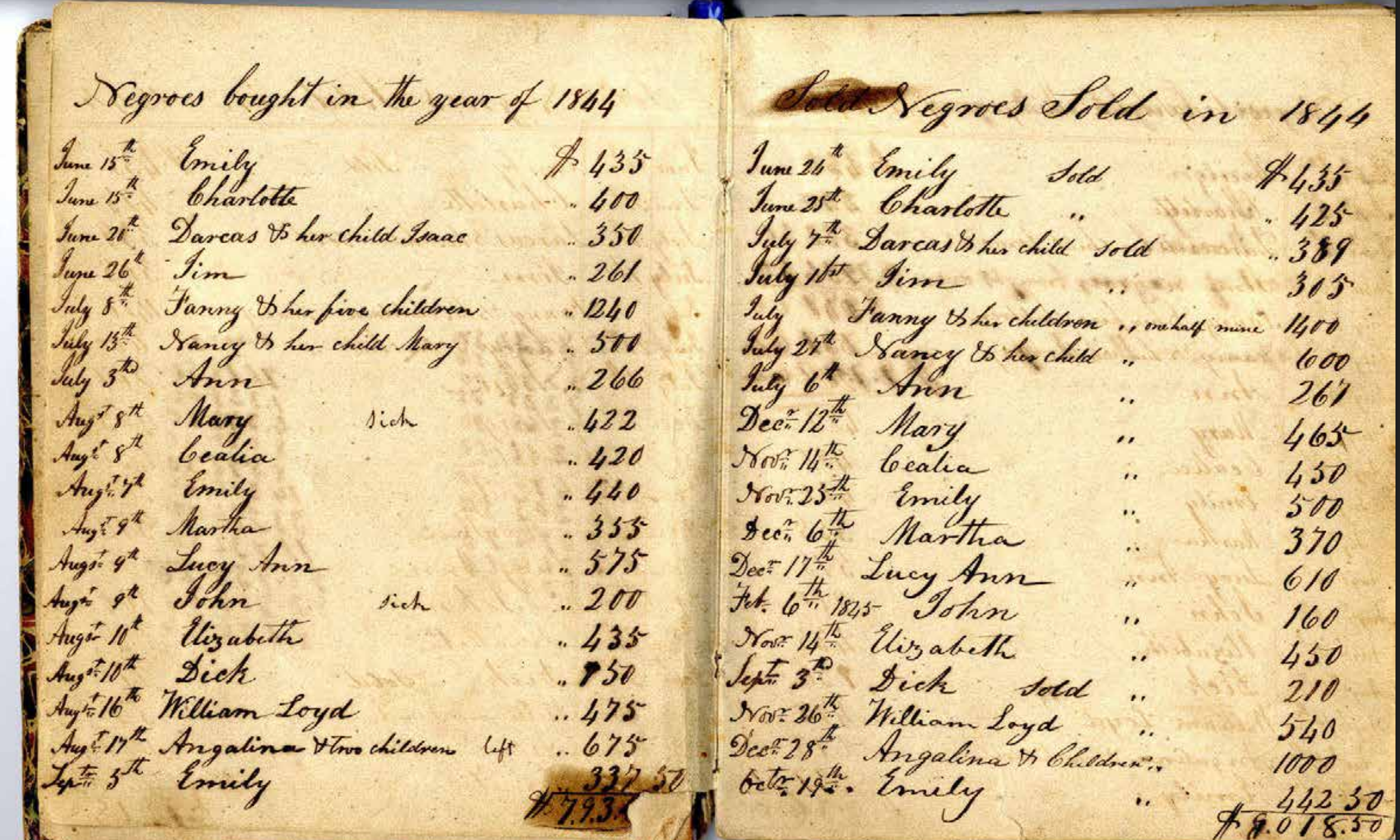
My birthday post from last week is centered on the realization that birthdays in America are tied to capitalism in some of the worst ways, turning reflection into consumption and performance. In many African cultures, by contrast, age wasn't about cake and candles but rather new roles in the community, expanding a sense of belonging. The first Africans stolen and brought to America were not included in society's idea of personhood, even in their deaths. Their dates of birth were irrelevant, ensuring from the beginning that Africans in America were positioned as less than human. I am reminded that Frederick Douglass chose his own birthday rather than accept a purchase date assigned by his enslavers, refusing to let ownership papers be the only record of his existence. Maybe that is the point: every time we name and celebrate our birthdays on our own terms, we are not just having a party, we are refusing the price tags and algorithms that now try to measure our worth. We should choose instead to honor a life that cannot be bought or sold, stealing ourselves back from a world that once wrote our beginnings in someone else's ledger.
Subscribe to our newsletter.
Become a subscriber receive the latest updates in your inbox.